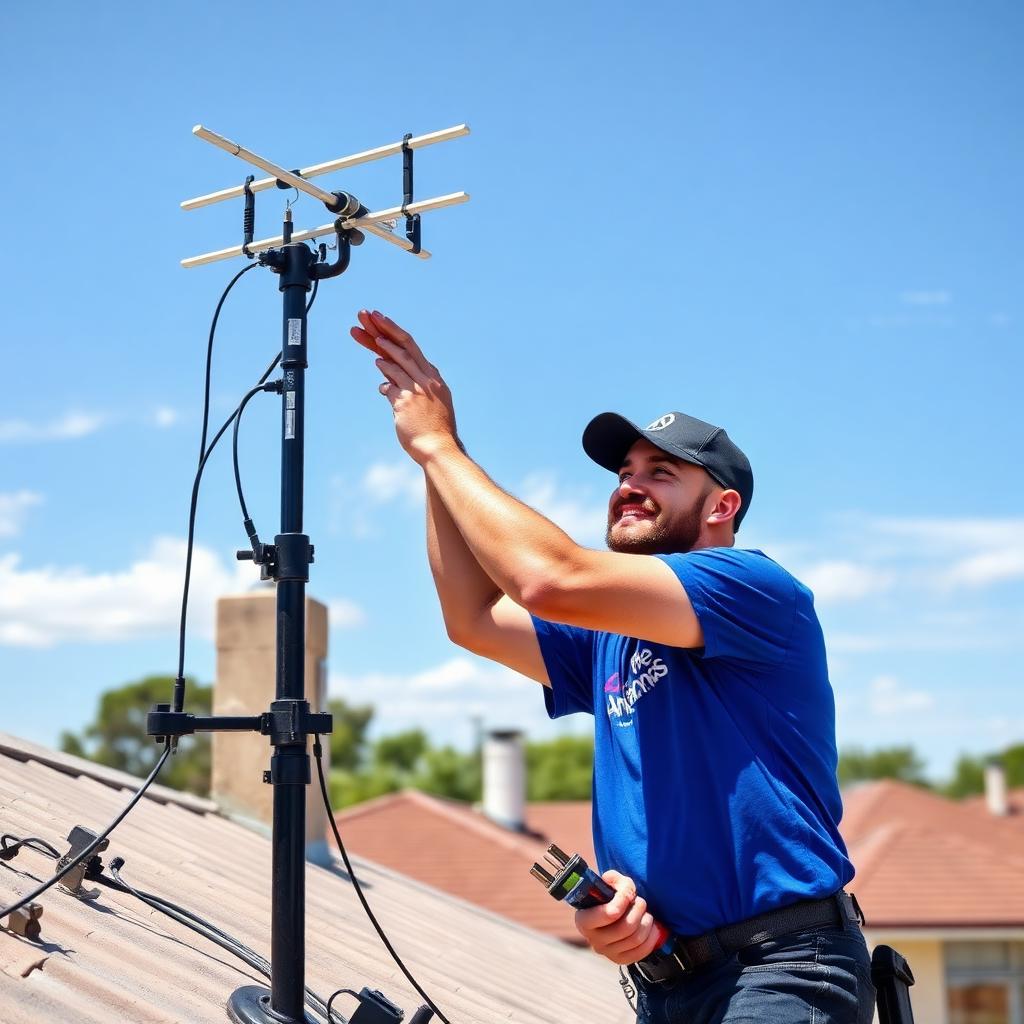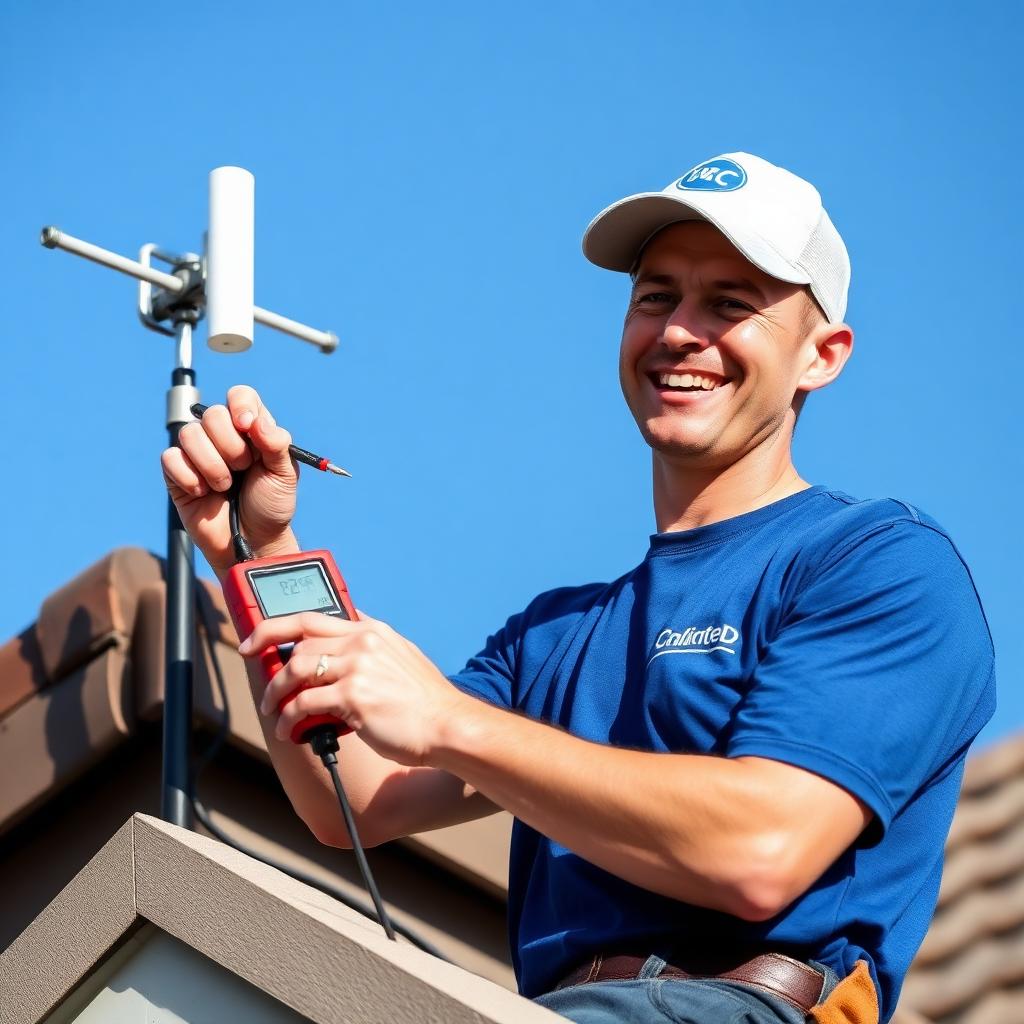
A masthead amplifier is one of the most misunderstood pieces of TV antenna equipment in Melbourne. Half the DIY installations we're called to fix have no amplifier when they desperately need one, and the other half have oversized amplifiers overloading the tuner into pixelation. This guide explains exactly what a masthead amplifier does, when Melbourne homes benefit from one, which models we trust, and why installing an amplifier at the wrong end of the cable ruins your reception.
What a Masthead Amplifier Actually Does
A masthead amplifier is a small weatherproof box mounted at the antenna that boosts the raw signal before it enters the long coaxial cable run. The critical point is amplification location — because coax cable loses signal per metre, boosting the signal at the antenna preserves the signal-to-noise ratio all the way down to the TV. Amplifying at the wall socket boosts noise along with the signal and rarely helps.
Typical Melbourne masthead amplifiers add 12–25 dB of gain and are powered by a small 12V or 18V injector plugged into a power point inside the house. The injector sends DC power up the same coaxial cable that carries the signal down.
When Melbourne Homes Need a Masthead Amplifier
You almost certainly need an amplifier if: you live 30+ km from Mt Dandenong (Mickleham, Craigieburn, Werribee, Point Cook, Frankston fringe), your home has more than two TV points splitting the signal, your cable run exceeds 25 metres, or you experience pixelation on higher-frequency channels only. Homes closer to the transmitter with single-TV setups often don't need one — and adding an amplifier where signal is already strong causes tuner overload.
LTE/5G Filtering — Why It Matters in Melbourne
Melbourne's mobile networks now use frequencies right next to the UHF TV band. Any masthead amplifier installed in the past year should include built-in LTE/5G filtering to reject nearby cellular signals that would otherwise overwhelm the amplifier. Kingray MHW34F and Matchmaster 03MM-AWS15 are two reliable filtered options we install across Melbourne.
Common Amplifier Failure Signs
Amplifiers fail. Water ingress after Melbourne storms, lightning surges and simple age all take their toll. Signs of a failing amplifier include: sudden pixelation across all channels, worse reception on hot days, complete signal loss after rain, and a dead LED on the power injector. Replacement typically takes 30–45 minutes and costs $180–$280 supplied and fitted.
Need a Melbourne antenna technician today?
Same-day service · No call-out fee · 12-month workmanship guarantee.